

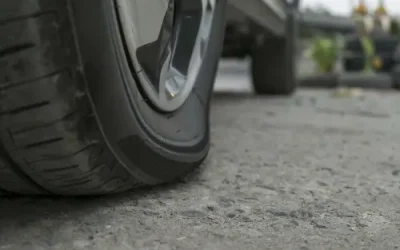
WHAT HAPPENS WHEN TYRES ARE UNDER-INFLATED?
Contrary to popular belief, tyres are not designed to carry the weight of your vehicle; they’re designed to hold air, which in turn, carries the weight of your vehicle.
Contrary to popular belief, tyres are not designed to carry the weight of your vehicle; they’re designed to hold air, which in turn, carries the weight of your vehicle.
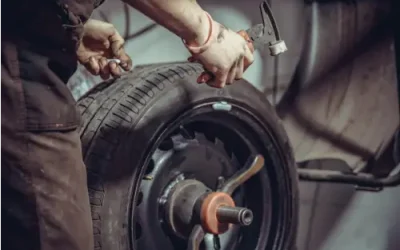
I read your blog on ‘STEEL WHEELS VS. ALLOY WHEELS FOR OFF-ROAD USE’ and I have to agree that steel wheels bend much easier than alloys, and are definitely harder to balance.
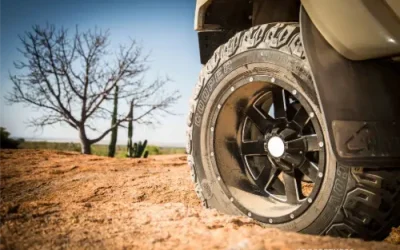
With so many design styles available, choosing the correct alloy wheel for your vehicle is a tough decision. But aside from eye-catching good looks, selecting the appropriate dimensions is far more important.

Don’t be tempted to drive those extra few kilometres on a flat tyre, even if the repair shop is “just around the corner”. Doing so could result in a sudden “blowout” or disintegration of the tyre.

While most people check their tyre pressures before embarking on a long journey, many vehicle owners don’t make adjustments to account for payload.
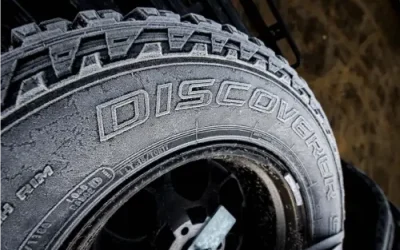
If you closely monitor your vehicle’s fuel economy you may have noticed a slight increase in fuel consumption as the winter months roll in. So what’s changed?
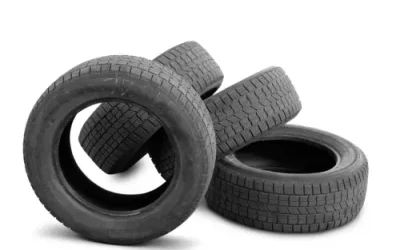
Although tyre dealers generally advise against buying used tyres, the fact is, if you purchase a second-hand vehicle you’re essentially purchasing second-hand tyres…
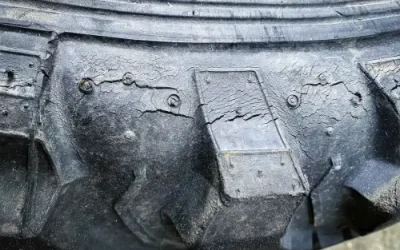
If you recently bought a used vehicle you may be wondering if the tyres have expired. Unfortunately, tread depth is not a reliable means to determine the age and potential longevity of a tyre. You should be looking at the tyre’s date of manufacture.

You drive past a vehicle that’s exactly the same as yours. Same model. Same colour. But for some reason this one looks But for some reason this one looks sportier. So what’s the difference?